Discerning the Holy Spirit with St. Ignatius
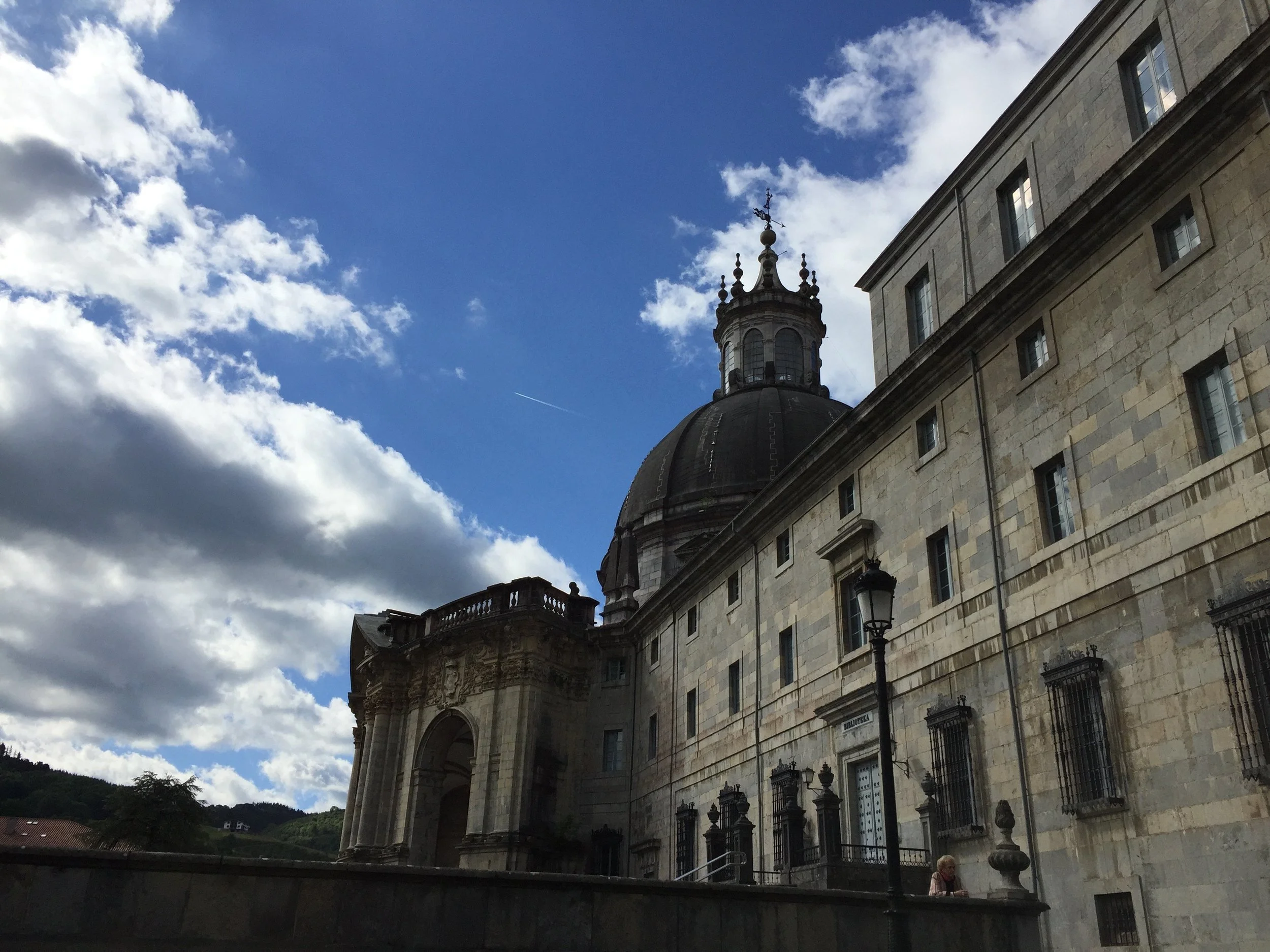
St. Ignatius’ family castle, now a church.
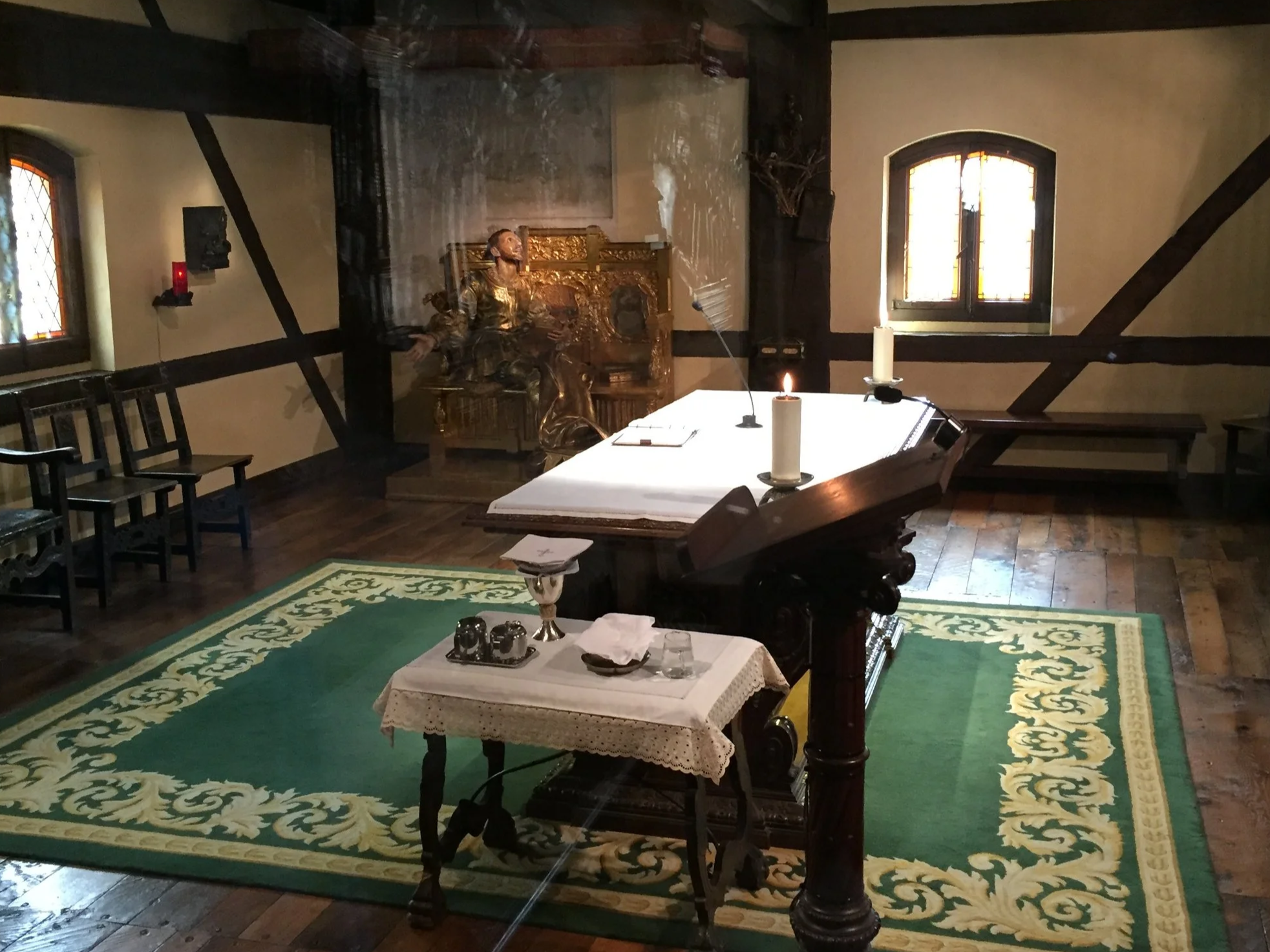
The bedroom where St. Ignatius convalesced from his injuries.
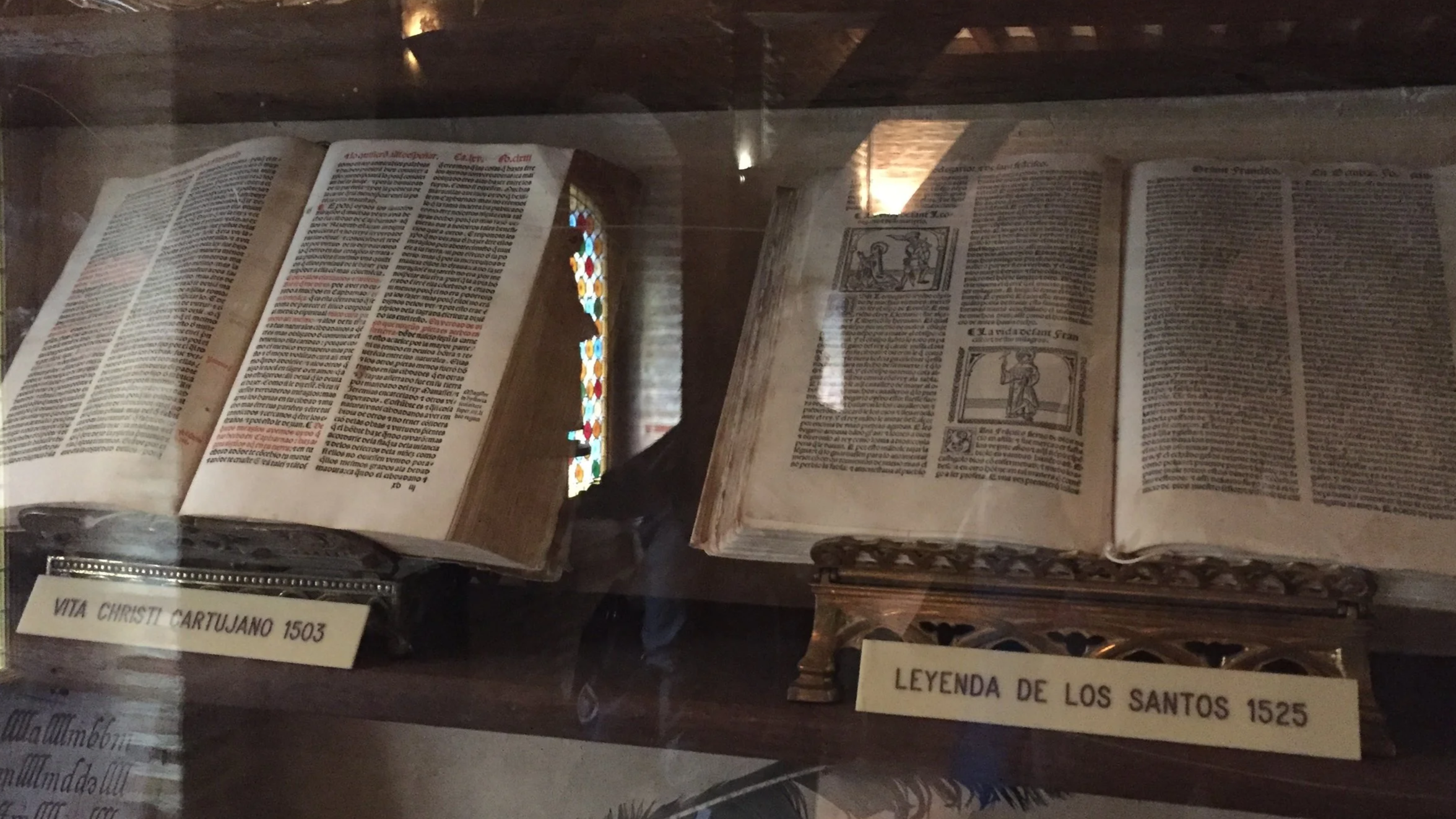
The two books that inspired St. Ignatius during his recovery from battle wounds.
This weekend the Church honors one of its great saints, St. Ignatius of Loyola. St. Ignatius lived in the early 16th century and was the founder of the Society of Jesus (more commonly known as the Jesuits), an order of priests dedicated to missionary work, education, and serving the marginalized. Recently deceased Pope Francis was a member of the Jesuit order and the first Jesuit pope. St. Ignatius’ life story is quite remarkable. His early life as a Spanish aristocrat-knight was filled with less than admirable behavior as a womanizer, gambler, and fighter, seeking worldly pleasures and glory. During a battle, his leg was shattered by a cannonball, and he was relegated to a long period of bed-bound convalescence in his family castle after multiple painful surgeries. He pined for the distraction of a romance novel, but the only two available books in castle were about the life of Jesus and stories of the saints. Reluctantly he began to read.
Ignatius noticed that as he daydreamed about the worldly adventures of his former life, he was initially filled with pleasure but was ultimately left with a dryness and sadness of heart. When his mind shifted to spiritual reflection stimulated by his reading, he felt an initial pleasure followed by a lasting peace that was different. Back and forth between these two types of thoughts, he began to see a pattern for what he would later call the Discernment of Spirits. One spirit was the spirit of God, the Holy Spirit, that would give him lasting feelings of “consolation.” The other spirit was from the devil, which promised transient pleasures but inevitably led to feelings of “desolation.” Learning to pay attention to the subtle voices of these two spirits and recognize their influence on one’s state of mind became a major focus of St. Ignatius’ teaching and one of the great spiritual contributions of the Jesuits to the world.
When he eventually healed from his war injury, Ignatius gave up his life of vanity and aspirations for worldly glory. He left behind his possessions and undertook a long period of fasting and prayer to repent for his past sins. He was inspired to become a priest, but did not have the required educational background, so had to go back to class amongst school children to complete his basic education. He enrolled in university at 38 years old, and completed his master’s degree at the ripe old age of 44 (an inspiration for all those who worry that it’s too late to reinvent oneself). He even tried applying to a doctoral program, but was rejected due to old age and physical ailments!
Ignatius gathered a small group of like-minded friends and classmates to teach them his method of discerning spirits as part of his Spiritual Exercises. He eventually was ordained a priest, and he and his band of friends then set out on mission to build God’s kingdom, giving all their efforts “for the greater glory of God” as the Jesuit motto goes. They formed the Jesuit order, which ran with a military rigor and grew quickly. Jesuit missionaries spread Christianity to many new parts of the world including the Americas, India, Japan, and China, integrating into the culture of the lands to which they traveled. Many recognizable universities were founded by the Jesuits (Boston College, Gonzaga, Georgetown, Marquette, Xavier, Loyola), some named in honor of Ignatius and his early followers/friends.
Okay, nice history lesson, but what does this have to do with you and me, dear reader? Well, everything really! In the last post, we talked about the importance of calling on and listening to the Holy Spirit in our lives. Up and down the millennia, holy men and women have strived to hear God’s will for their lives. What Ignatius gives us is a simple practical method to do this by seeking awareness of the movements in our souls caused by Holy Spirit and the “bad” spirit. For example, if you are walking down the proverbial wrong path, acting in less than admirable ways, the bad spirit will often provide feelings of apparent pleasure, encouraging you on, while all the while leading you astray. The good spirit, however, will be the voice of your conscience, reminding you to turn back to the right road and nagging you with unsettled feelings until you listen. If you are walking on a righteous path, striving to do good and follow the Lord, the bad spirit will use mental distraction, obstacles, feelings of despair, and even whisper lies about you in your ear, to get you to turn back or even give up in the face of inevitable challenges. But the good spirit never provides discouragement or negative words for a pilgrim on the road to holiness. Rather the good spirit gives encouragement, inspiration, strength, and courage to overcome hardships when the path gets tough.
Try taking a day with the intention of paying close attention to the thoughts, voices, and feelings that pass through your mind, especially as it relates to decisions throughout the day. Does this path move me closer to or further away from God? How do I feel in my soul when I think about the options? Does one choice bring me a feeling of consolation, and the other a feeling of desolation? Do a few steps in one direction bring me immediate pleasure but then later a sense of unease? Does another option seem to be a difficult road, but fills my soul with a feeling of peace and hope?
Innately we all use this method at times to make decisions, but more frequent awareness of discernment of spirits opens up a higher level of connection to the Holy Spirit. Once you recognize it, what a gift it becomes! That voice of encouragement when my spirits are flagging that gives me a second wind to keep going…yep, that’s the good spirit talking! That negative self-talk that makes me doubt and judge myself, and feel alone and discouraged…nope, that’s not from God.
We can use this at home, at work, in our conversations with spouses, children, friends, and coworkers. This can guide our prayer time or meditation or personal reflection. Try it out and see what you think. Pick up one of many books written by Jesuit authors or check out a website on Ignatian spirituality to read more about the rules for discernment of spirits (modern translations of the rules are a little easier to understand than Ignatius’ original language). You might just find that you’ve tuned into a valuable source of grace that you never knew was there all along. Let’s end with a favorite prayer composed by St. Ignatius called the Suspice:
Take Lord, and receive all my liberty, my memory, my understanding, and my entire will, all that I have and possess. Thou hast given all to me. To Thee, O Lord, I return it. All is Thine, dispose of it wholly according to Thy will. Give me Thy love and thy grace, for this is sufficient for me.